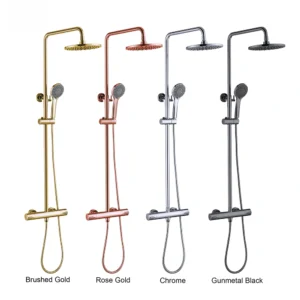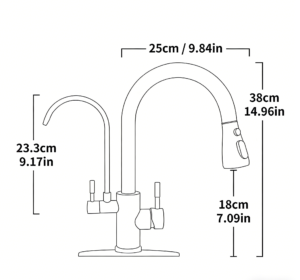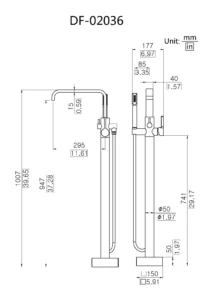
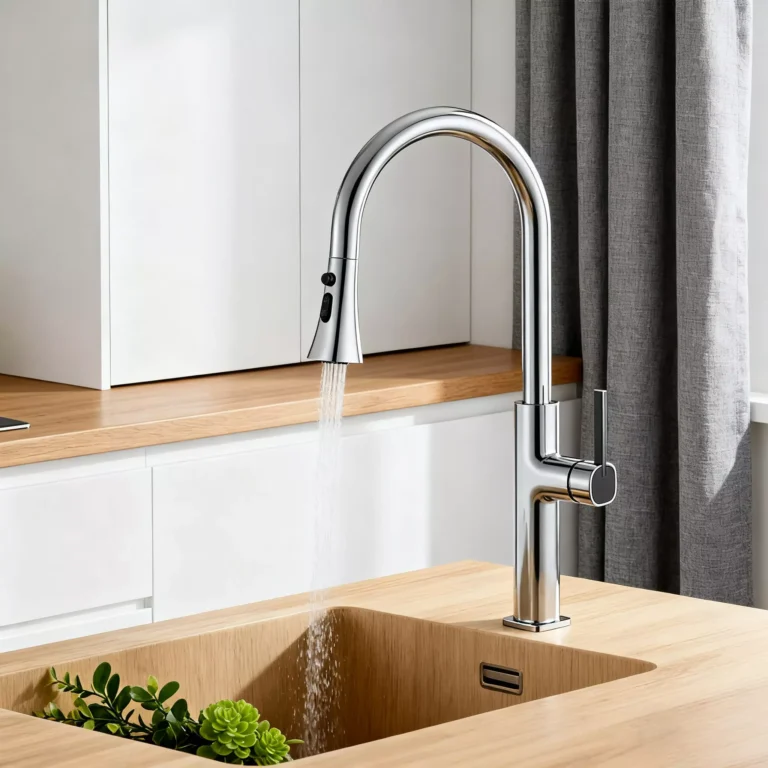
kitchen faucet is a plumbing fixture installed on the sink to control the flow and temperature of water for everyday kitchen tasks. Also known as a kitchen sink faucets, sink tap, kitchen tap, water tap for kitchen, or kitchen mixer tap, this essential fixture plays a critical role in food preparation, dishwashing, and overall kitchen hygiene.
Modern kitchen faucets combine functional engineering with stylish design, making them a key component in both residential and commercial kitchens.
How Does a Kitchen Faucet Work?
typical kitchen faucets operates through an internal valve system that regulates water flow and temperature. When the user turns the handle or lever:
-
Water supply lines deliver hot and cold water to the faucet body
-
The internal cartridge or valve mixes the water
-
The spout directs water into the sink
-
Flow stops when the handle returns to the off position
Many modern kitchen sink taps also incorporate ceramic disc cartridges, which improve durability and prevent leaks over long-term use.
Main Components of a Kitchen Faucet
Understanding the structure of a kitchen mixer tap helps users choose the right model.
1. Spout
The spout is the curved outlet where water flows out. Its height and reach affect sink coverage and usability.
2. Handle or Lever
Handles control water temperature and pressure. Common configurations include:
-
Single-handle kitchen water faucet
-
Double-handle kitchen tap
-
Touchless kitchen water faucet
3. Valve or Cartridge
This internal component mixes hot and cold water and controls flow. High-quality ceramic cartridges extend the lifespan of the sink faucet.
4. Aerator
Installed at the tip of the spout, the aerator:
-
Reduces water splash
-
Improves flow consistency
-
Enhances water efficiency
5. Mounting Hardware
Mounting systems secure the kitchen water tap to the sink or countertop, typically via deck mount or wall mount designs.
Types of Kitchen Faucets
Different kitchen environments require different faucet designs. Below are the most popular categories.
Pull-Down Kitchen Faucet
A pull-down kitchen faucet features a spray head that pulls downward into the sink.
Benefits:
-
Excellent for deep sinks
-
Flexible cleaning reach
-
Popular in modern kitchens
Pull-Out Kitchen Faucets
The pull-out kitchen tap has a spray head that pulls toward the user.
Best for:
-
Small sinks
-
Compact kitchens
-
Multi-directional rinsing
Single-Handle Kitchen Faucet
A single-lever kitchen faucet controls temperature and flow with one handle.
Advantages:
-
Easy one-hand operation
-
Simple installation
-
Clean, modern look
Double-Handle Kitchen Faucet
The two-handle kitchen mixer separates hot and cold controls.
Features:
-
Precise temperature adjustment
-
Traditional appearance
-
Classic kitchen compatibility
Touchless Kitchen Faucet
A sensor kitchen faucet uses motion detection to activate water flow.
Key benefits:
-
Hands-free hygiene
-
Reduced cross-contamination
-
Water-saving performance
Materials Used in Kitchen Faucets
High-quality kitchen sink faucets are manufactured from durable materials to ensure long service life.
Common Materials
-
Brass kitchen faucet – corrosion resistant and durable
-
Stainless steel kitchen tap – modern and rust resistant
-
Zinc alloy faucet – cost-effective option
-
ABS plastic components – lightweight auxiliary parts
Premium finishes such as chrome, brushed nickel, matte black, and PVD coatings improve both appearance and wear resistance.
Key Features of Modern Kitchen Faucets
Today’s kitchen water faucets integrate advanced technologies to improve performance.
Important features include:
-
360-degree swivel spout
-
Water-saving aerator
-
Drip-free ceramic cartridge
-
Pull-down spray modes
-
High-arc spout design
-
Easy-clean nozzle surface
These upgrades make modern kitchen sink taps more efficient, durable, and user-friendly.
How to Choose the Right Kitchen Faucets
Selecting the ideal kitchen faucet requires evaluating several factors.
1. Sink Compatibility
Check hole configuration and mounting type (single-hole or three-hole).
2. Spout Height and Reach
Ensure the kitchen tap provides adequate clearance for pots and pans.
3. Water Pressure Requirements
Match the faucet design to your home’s water pressure system.
4. Material Quality
Choose brass or stainless steel sink faucets for long-term reliability.
5. Installation Type
Common options include:
-
Deck-mounted kitchen faucet
-
Wall-mounted kitchen tap
-
Commercial pre-rinse faucet
Applications of Kitchen Faucets
A kitchen faucets is widely used across multiple environments.
Residential kitchens
-
Home cooking
-
Dishwashing
-
Food preparation
Commercial kitchens
-
Restaurants
-
Hotels
-
Catering facilities
Utility and prep areas
-
Bar sinks
-
Outdoor kitchens
-
Laundry sinks
Because of their versatility, kitchen sink faucets remain one of the most frequently used plumbing fixtures in any building.
Maintenance Tips for Kitchen Faucets
Proper maintenance extends the lifespan of your kitchen mixer tap.
Best practices:
-
Clean the aerator regularly
-
Avoid harsh chemical cleaners
-
Check for leaks periodically
-
Maintain proper water pressure
-
Replace worn cartridges promptly
Routine care keeps your kitchen water tap operating smoothly for years.
Conclusion
A kitchen faucet is far more than a simple water outlet—it is a precision plumbing fixture that directly impacts kitchen efficiency, hygiene, and user comfort. Whether referred to as a kitchen sink faucet, kitchen tap, sink mixer, or water tap for kitchen, choosing a high-quality model with durable materials and modern features ensures reliable, long-term performance in both residential and commercial environments.