Replacing a tub faucet is a practical way to improve the look and function of your bathroom. An old bathtub faucet can leak, corrode, lose water pressure, or simply look outdated. Learning how to replace tub faucet parts can help you solve these problems and give your bathtub a cleaner, more modern appearance.
In many homes, a worn tub faucet causes daily inconvenience. Dripping water wastes money, damaged finishes reduce the bathroom’s visual appeal, and internal wear can affect water flow. A new bathtub faucet replacement can improve performance and make the tub area easier to use and maintain.
This guide explains how to replace a tub faucet, what tools you may need, the different types of tub faucets, and the basic steps to complete the job safely.
Why You May Need To Replace A Tub Faucet
There are several common reasons for a tub faucet replacement. In some cases, the faucet starts leaking or dripping. In other cases, mineral buildup, corrosion, or internal wear reduces performance. Many homeowners also replace a tub faucet during a bathroom remodel to match a new style or finish.
Common reasons to replace a tub faucet include:
- Constant dripping or leaking
- Corroded or damaged finish
- Low water flow
- Loose or broken parts
- Outdated bathroom style
- Difficulty turning the faucet on or off
- Poor fit with a new bathtub design
A new bathtub faucet can improve both daily comfort and the overall look of the bathroom.
Types Of Tub Faucets
Before starting a replace tub faucet project, it is important to know which type of faucet you have. Different styles use different mounting methods and replacement steps.
Wall-Mounted Tub Faucet
A wall-mounted tub faucet is installed through the bathroom wall above the tub. This style is common in shower and tub combinations.
Deck-Mounted Tub Faucet
A deck-mounted tub faucet is installed on the tub deck or surrounding platform. It is often used with drop-in bathtubs and some freestanding tub designs.
Freestanding Tub Faucet
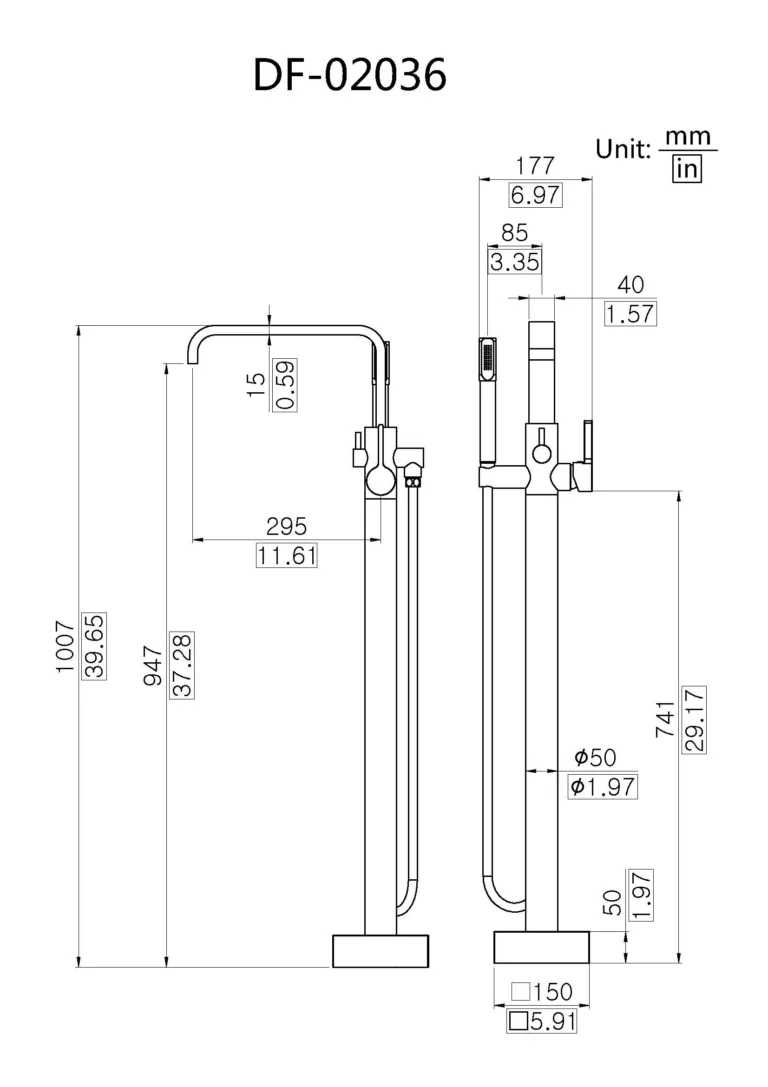
A freestanding tub faucet stands on the floor beside the bathtub. It is popular in luxury bathroom designs and with freestanding tubs.
Tub Spout With Diverter
Some bathtub faucets include a diverter that sends water upward to the showerhead. This is common in tub and shower combinations.
Understanding the faucet type helps you choose the correct replacement tub faucet and installation method.
Tools Needed To Replace A Tub Faucet
The tools needed for how to replace tub faucet parts depend on the faucet style and installation type. However, most jobs require a few basic plumbing tools.
Common tools include:
- Adjustable wrench
- Screwdriver
- Allen wrench
- Plumber’s tape
- Pipe wrench
- Pliers
- Utility knife
- Clean cloth
- Bucket or towel
You may also need replacement parts such as a new tub spout, new handles, mounting hardware, or a new faucet kit.
How To Replace Tub Faucet Step By Step
If you want to know how to replace a tub faucet, the basic process usually begins with turning off the water and removing the old fixture carefully.
Step 1: Turn Off The Water Supply
Before you begin any bathtub faucet replacement, shut off the water supply. This is the most important first step. If the tub does not have a local shutoff valve, turn off the main water supply for the house.
After shutting off the water, open the faucet to release any remaining pressure in the line.
Step 2: Protect The Tub Area
Place a towel or soft cloth over the tub surface and drain area. This helps protect the finish and prevents small screws or parts from falling into the drain.
Step 3: Identify The Faucet Connection Type
Before removing the old faucet, inspect how it is attached. Some tub spouts screw onto a threaded pipe. Others use a slip-on connection secured by a set screw underneath the spout.
This step is important because the removal method depends on the connection style.
Step 4: Remove The Old Tub Faucet
If the faucet is a screw-on type, turn it counterclockwise to unscrew it from the pipe. If it is a slip-on style, loosen the set screw first with an Allen wrench, then pull the spout straight off.
Work slowly to avoid damaging the pipe or surrounding wall surface. If the faucet is stuck because of mineral buildup or corrosion, use steady pressure instead of forcing it suddenly.
Step 5: Inspect The Pipe And Fittings
After removing the old faucet, inspect the pipe, wall opening, and fittings. Look for corrosion, worn threads, mineral buildup, or signs of leakage.
A clean and secure connection point is important for a successful replace bathtub faucet job. If the pipe is damaged, it may need repair before installing the new faucet.
Step 6: Clean The Installation Area
Wipe away old caulk, debris, and buildup from the wall or tub surface. A clean surface helps the new faucet fit better and gives the finished installation a neater appearance.
Step 7: Install The New Tub Faucet
The installation method depends on the new faucet type.
For a screw-on faucet, wrap plumber’s tape around the threaded pipe and screw the new faucet into place.
For a slip-on faucet, slide the new spout onto the pipe and tighten the set screw securely.
Make sure the new tub faucet sits straight and fits tightly against the wall or mounting surface.
Step 8: Turn The Water Back On
Once the new faucet is installed, turn the water supply back on slowly. Check the faucet for leaks, loose fit, or poor water flow.
If the faucet includes a diverter, test both the tub flow and shower function to make sure everything works correctly.
How To Replace A Tub Spout With Diverter
A common version of how to replace tub faucet work involves changing a tub spout with diverter. This type of faucet is often used in bathtubs that also have a showerhead.
If the diverter becomes hard to use, leaks, or fails to send water to the shower properly, replacing the tub spout may solve the problem. The process is similar to replacing a standard tub spout, but it is especially important to choose the correct length, connection type, and diverter style.
A new tub spout replacement can improve both water control and appearance.
Common Problems When Replacing A Tub Faucet
During a tub faucet replacement, several common problems may appear.
Stuck Faucet
Old faucets may be difficult to remove because of rust, corrosion, or mineral buildup.
Wrong Replacement Size
Not all tub faucets fit the same pipe length or connection type. Always check compatibility before installation.
Pipe Damage
If the pipe behind the spout is bent, corroded, or cracked, the faucet may not seal properly.
Leaks After Installation
Leaks can happen if the connection is loose, the threads are damaged, or the wrong faucet type is used.
Poor Alignment
A new bathtub faucet should sit flush and straight. Poor alignment may affect appearance and long-term sealing.
Tips For A Successful Bathtub Faucet Replacement
To get better results when learning how to replace tub faucet parts, follow these practical tips:
- Always shut off the water first
- Confirm the faucet connection type before removal
- Choose a compatible replacement faucet
- Clean the pipe and wall area before installation
- Use plumber’s tape where needed
- Do not overtighten the faucet
- Test for leaks after installation
- Replace worn fittings if necessary
These steps help make a bathtub faucet replacement easier and more reliable.
When To Replace The Entire Tub Faucet System
Sometimes replacing only the tub spout is enough. In other situations, the entire tub faucet system may need to be changed. This is more common when the handles leak, the valve is worn, or the bathroom is being fully remodeled.
You may need a full replacement if:
- The faucet leaks behind the wall
- The handles are damaged
- The valve no longer works correctly
- The finish is badly worn on all visible parts
- The old faucet does not match the new bathroom style
A full replace tub faucet project can create a more complete bathroom upgrade.
Best Materials For A Replacement Tub Faucet
Material quality matters when choosing a new bathtub faucet. Since the faucet is exposed to water, humidity, and regular use, durable materials are the best choice.
Common material options include:
- Solid brass
- Stainless steel
- Zinc alloy for decorative parts
- Ceramic internal components for cartridges and valves
A good-quality faucet should provide corrosion resistance, smooth operation, and long service life.
How To Choose The Right Replacement Tub Faucet
When selecting a new replacement tub faucet, consider more than appearance alone.
Important factors include:
- Faucet type
- Connection style
- Pipe length compatibility
- Finish color
- Material quality
- Diverter function if needed
- Bathroom design style
A faucet that fits correctly and matches the overall bathroom design will provide the best long-term result.
FAQ About How To Replace Tub Faucet
Is Replacing A Tub Faucet Easy?
It can be relatively simple if you are replacing only the tub spout and the connection is in good condition. More complex faucet systems may require additional plumbing work.
How Do I Know If My Tub Spout Is Slip-On Or Screw-On?
A slip-on tub spout usually has a small set screw underneath. A screw-on spout threads directly onto the pipe.
Can I Replace A Tub Faucet Myself?
Many homeowners can replace a basic tub spout themselves. If the valve, plumbing, or wall connections are damaged, professional help may be a better choice.
Why Is My New Tub Faucet Leaking?
Leaks may be caused by loose installation, worn pipe threads, missing plumber’s tape, or the wrong faucet type.
When Should I Replace Instead Of Repair?
If the faucet is badly corroded, outdated, leaking often, or no longer working smoothly, replacement is usually the better solution.
Conclusion
Learning how to replace tub faucet parts is a useful way to improve bathroom performance and appearance. Whether you are changing a simple tub spout, installing a new diverter spout, or updating the whole bathtub fixture, the right process helps prevent leaks and creates a cleaner finished look.
A successful bathtub faucet replacement starts with identifying the faucet type, removing the old part carefully, checking the pipe condition, and installing the new faucet correctly. With the right tools and the right replacement product, you can give your bathtub a fresh upgrade and restore reliable water flow at the same time.
 B2B Inquiry CTA
 For export quotations, bulk orders, or project cooperation, Get in Touch with our sales team.
Email: info@landonbath.com
WhatsApp: +86-13750308364