
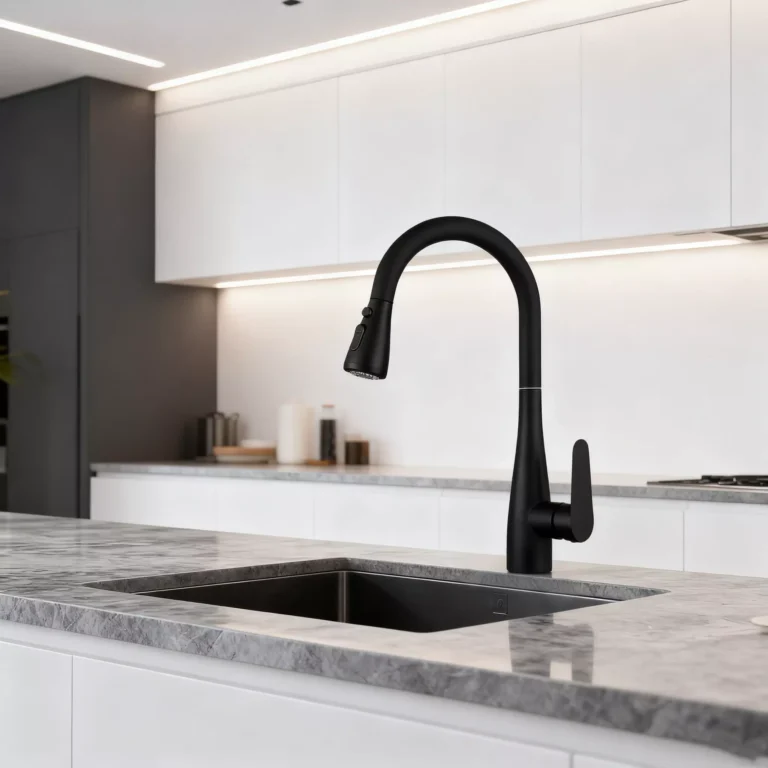
Learning How To Remove Kitchen Faucet Parts The Right Way Can Make A Repair Or Upgrade Much Easier. Whether You Are Replacing An Old Fixture, Fixing A Leak, Or Preparing For A Sink Remodel, The Process Usually Starts With Shutting Off The Water Supply, Disconnecting The Faucet Lines, Removing The Mounting Hardware, And Lifting The Faucet Out Carefully. Many Homeowners Who Search How To Remove Kitchen Faucet Also Want To Know How To Remove Sink Faucet Parts Without Damaging The Countertop, How To Change A Faucet During A Kitchen Update, How To Replace Kitchen Faucet Fixtures Smoothly, And Even How To Install A Kitchen Faucet After The Old One Is Gone.
Why You May Need To Remove A Kitchen Faucet
There Are Many Reasons To Remove A Kitchen Faucet. The Faucet May Leak Around The Base, The Handle May Feel Loose, The Finish May Look Worn, Or The Water Flow May Have Dropped Because Of Age And Mineral Buildup. In Some Homes, The Faucet Is Removed As Part Of A Kitchen Renovation, A Sink Replacement, Or A Simple Style Upgrade.
Understanding How To Remove Kitchen Faucet Hardware Is Also Helpful When You Plan To Install A New Pull-Down Faucet, A Single Handle Kitchen Faucet, A Commercial Style Faucet, Or Another Modern Kitchen Sink Fixture. Once The Old Faucet Is Out, The Sink Area Can Be Cleaned And Prepared For The Next Step.
Tools You May Need
Before Starting, Prepare A Few Basic Tools. An Adjustable Wrench, Basin Wrench, Pliers, Bucket, Towels, And A Flashlight Are Usually Enough For Most Faucet Removal Jobs. Some Older Faucets May Also Need Penetrating Oil Because Rust And Hard Water Deposits Can Make The Mounting Nuts Difficult To Loosen.
A Basin Wrench Is Especially Useful Because Most Faucet Hardware Sits In A Tight Space Under The Sink. When People Search How To Remove Sink Faucet Parts, The Real Challenge Is Often Reaching The Mounting Nuts Behind The Bowl And Working In A Narrow Cabinet Space.
Step 1: Turn Off The Water Supply
The First Step In How To Remove Kitchen Faucet Work Is Always Turning Off The Water. Look Under The Sink For The Hot And Cold Shut-Off Valves. Turn Both Valves Clockwise Until They Are Fully Closed. Then Turn On The Faucet Above The Sink To Release Any Remaining Water Pressure In The Lines.
Place A Bucket And Towels Under The Sink Before Disconnecting Anything. Even With The Water Off, A Small Amount Of Water Usually Stays In The Supply Tubes. This Helps Keep The Cabinet Dry And Makes The Job Cleaner.
Step 2: Disconnect The Water Supply Lines
After The Water Is Off, Use A Wrench Or Pliers To Disconnect The Hot And Cold Water Supply Lines From The Faucet. Some Fittings Come Loose Quickly, But Older Connections May Need More Force Because Of Corrosion Or Mineral Buildup.
If A Connection Feels Stuck, Apply A Small Amount Of Penetrating Oil And Wait A Few Minutes Before Trying Again. This Part Of How To Change A Faucet Can Be Easy In Newer Kitchens But More Difficult In Older Plumbing Systems.
Step 3: Remove The Mounting Hardware
Once The Supply Lines Are Disconnected, Move To The Hardware That Holds The Faucet In Place. Most Kitchen Faucets Use Mounting Nuts, Locking Plates, Or Brackets Under The Sink. These Parts Secure The Faucet To The Sink Deck Or Countertop.
Use A Basin Wrench To Loosen The Mounting Nuts By Turning Them Counterclockwise. If The Hardware Is Rusted Or Covered With Dirt, Clean The Area First And Add Penetrating Oil If Needed. In Many Cases, This Is The Hardest Part Of How To Remove Kitchen Faucet Fixtures Because The Working Area Is Small And Hard To Reach.
Work Slowly And Carefully. Too Much Force Can Damage The Sink Surface, Scratch The Countertop, Or Bend The Faucet Connections. Steady Pressure Usually Works Better Than Trying To Twist The Parts Loose Too Quickly.
Step 4: Lift Out The Old Faucet
After The Mounting Hardware Has Been Removed, Go Back Above The Sink And Gently Lift The Faucet Out Of The Mounting Holes. If The Faucet Feels Stuck, Wiggle It Slightly To Break The Seal Caused By Old Putty, Silicone, Or Mineral Deposits.
Sometimes The Base Of The Faucet Sticks To The Sink Because Of Years Of Moisture And Residue. In That Case, A Plastic Scraper Can Help Loosen The Seal Without Scratching The Surface. Avoid Using Sharp Metal Tools On Stainless Steel, Quartz, Granite, Or Other Decorative Sink Materials.
Step 5: Clean The Sink Area
After The Faucet Is Removed, Clean The Sink Deck Or Countertop Thoroughly. Old Silicone, Plumber’s Putty, Rust Marks, And Hard Water Stains Often Build Up Around The Faucet Holes. A Clean Surface Helps The New Fixture Sit Flat And Seal Properly.
This Step Is Especially Important If You Plan To Learn How To Install A Kitchen Faucet Right After Removal. A Clean Mounting Surface Makes Installation Easier And Can Help Prevent Leaks Around The Base Of The New Faucet.
Common Problems During Faucet Removal
A Stuck Mounting Nut Is One Of The Most Common Problems During Kitchen Faucet Removal. Moisture, Corrosion, And Mineral Deposits Can Make Old Hardware Very Hard To Move. Limited Space Under The Sink Can Also Slow The Job, Especially If Garbage Disposals, Water Filters, Or Stored Items Make Access More Difficult.
In Some Cases, The Mounting Hardware Or Water Supply Lines May Be Too Corroded To Reuse. When That Happens, Replacement Is Often The Better Choice. If The Shut-Off Valves Leak Or Do Not Close Fully, The Plumbing May Need Extra Repair Before The New Faucet Can Be Installed.
Preparing For Faucet Replacement
Many People Searching How To Remove Kitchen Faucet Are Getting Ready For A Full Upgrade. After The Old Faucet Is Out, The Next Step Is Usually Learning How To Replace Kitchen Faucet Fixtures Correctly. That Includes Checking The Sink Hole Configuration, Choosing The Right Faucet Style, Connecting The Water Lines Securely, And Testing The New Installation For Leaks.
At The Same Time, Understanding How To Change A Faucet Properly Helps Protect The Sink And Plumbing. A Careful Removal Process Makes It Much Easier To Complete The Next Stage Without Extra Problems.
Related Questions Homeowners Often Search
When Homeowners Search For How To Remove Kitchen Faucet, They Often Look For Related Topics Such As How To Remove An Old Kitchen Faucet, How To Take Out A Kitchen Sink Faucet, How To Disconnect Faucet Water Lines, How To Remove A Stuck Faucet, How To Replace A Kitchen Sink Faucet, And How To Install A Kitchen Faucet After Removal. These Related Searches Show That Most People Want A Complete Solution, From Removing The Old Fixture To Installing A New One Safely.
Conclusion
Knowing How To Remove Kitchen Faucet Hardware The Right Way Can Save Time And Prevent Damage During A Kitchen Upgrade. The Process Usually Includes Turning Off The Water, Disconnecting The Supply Lines, Removing The Mounting Nuts, Lifting Out The Faucet, And Cleaning The Sink Surface. Once You Complete These Steps, It Becomes Much Easier To Move On To How To Remove Sink Faucet Parts In Tight Spaces, How To Change A Faucet Without Trouble, How To Replace Kitchen Faucet Fixtures With Better Performance, And How To Install A Kitchen Faucet For A Clean And Reliable Finish.
 B2B Inquiry CTA
 For export quotations, bulk orders, or project cooperation, Get in Touch with our sales team.
Email: info@landonbath.com
WhatsApp: +86-13750308364