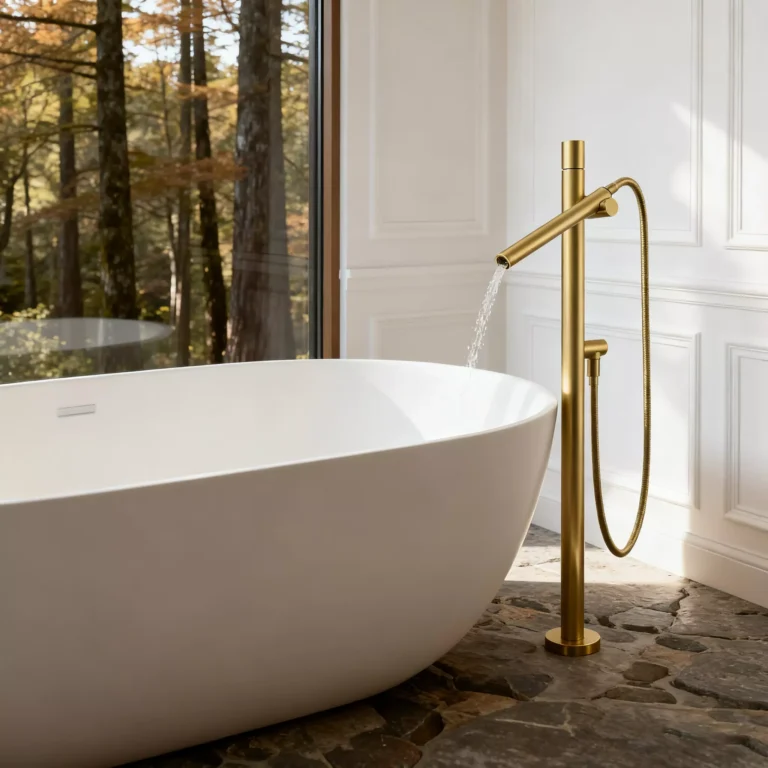
Bathtub Faucet: Complete Buying Guide for Modern Bathrooms
Choosing the right bathtub faucets is essential for both functionality and bathroom aesthetics. Also known as a tub faucet, bath faucet, bathtub tap, tub filler, or bath mixer tap, this fixture controls water flow into the bathtub while contributing significantly to the overall bathroom style.
With many designs, materials, and installation types available, understanding how to select the best bathtub faucet ensures long-term performance, water efficiency, and user comfort.
Why Choosing the Right Bathtub Faucet Matters
A high-quality bathtub faucet directly affects:
-
Water flow efficiency
-
Temperature control accuracy
-
Leak prevention
-
Installation compatibility
-
Bathroom visual appeal
Selecting the wrong tub filler faucet can lead to poor water pressure, difficult installation, or premature wear.
Types of Bathtub Faucet
Before purchasing, identify which bath faucet type fits your tub and plumbing layout.
Wall-Mounted Bathtub Faucet
A wall mount bathtub filler tap installs directly into the wall above the tub.
Best for:
-
Built-in bathtubs
-
Minimalist bathrooms
-
Space-saving layouts
Pros:
-
Clean appearance
-
Easy tub edge cleaning
-
Modern aesthetic
Deck-Mounted Bathtub Faucets
A deck mount tub faucet installs on the rim of the bathtub.
Ideal for:
-
Drop-in tubs
-
Alcove bathtubs
-
Standard bathroom setups
Advantages:
-
Simple installation
-
Widely compatible
-
Cost-effective
Freestanding Bathtub Faucet
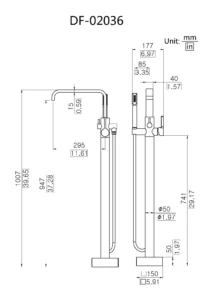
A freestanding tub filler stands independently on the floor beside the tub.
Perfect for:
-
Freestanding soaking tubs
-
Luxury bathrooms
-
Modern spa designs
Key benefits:
-
Premium visual impact
-
Flexible placement
-
High flow capacity
Roman Tub Faucet
A Roman tub faucet typically features wide-spread handles mounted on the tub deck.
Common uses:
-
Large bathtubs
-
Traditional bathrooms
-
High-flow filling needs
Key Factors to Consider When Choosing a Bathtub Faucet
To select the best bathtub faucet, evaluate the following technical and design factors.
1. Installation Type Compatibility
First, match the faucet to your bathtub configuration.
Check:
-
Number of mounting holes
-
Hole spacing
-
Wall vs deck vs floor installation
-
Existing plumbing layout
Proper compatibility prevents costly modifications.
2. Flow Rate and Filling Speed
A good tub filler should fill the bathtub quickly without excessive splashing.
Recommended:
-
Higher GPM for large tubs
-
Waterfall tub faucets for fast filling
-
Pressure-balanced designs
For soaking tubs, flow performance is especially important.
3. Valve Type and Temperature Control
The internal valve determines how smoothly your bath mixer tap operates.
Best options:
-
Ceramic disc cartridge (most durable)
-
Pressure-balance valve (anti-scald protection)
-
Thermostatic tub faucet (precise temperature control)
For family bathrooms, anti-scald protection is strongly recommended.
4. Material and Build Quality
Durability largely depends on faucet materials.
Top materials for bathtub faucets:
-
Solid brass bathtub faucet (best durability)
-
Stainless steel tub filler (corrosion resistant)
-
Zinc alloy bath tap (budget option)
Avoid: low-grade plastic internal bodies for long-term installations.
5. Finish and Style
The finish of your bathtub tap should match the bathroom design.
Popular finishes:
-
Chrome bathtub faucets
-
Brushed nickel tub faucet
-
Matte black bath faucet
-
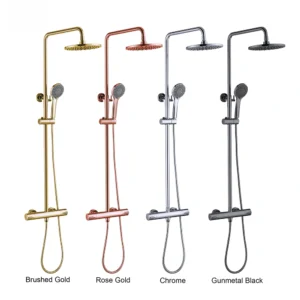
Brushed gold tub filler
-
PVD coated finishes
Choose finishes with strong corrosion and scratch resistance.
6. Spout Reach and Height
Proper spout dimensions ensure comfortable water delivery.
Consider:
-
Tub width
-
Splash control
-
User accessibility
-
Waterfall vs standard spout
A poorly sized tub faucet may cause water to hit the tub wall instead of the basin.
7. Additional Features
Modern bathtub faucets may include advanced functionality.
Useful upgrades:
-
Handheld shower attachment
-
Diverter valve
-
Waterfall spout
-
Anti-fingerprint coating
-
Easy-clean aerator
These features improve usability and perceived product value.
Common Mistakes to Avoid
When selecting a bath faucet, avoid these frequent errors:
❌ Ignoring mounting hole spacing
❌ Choosing style over flow rate
❌ Buying low-quality cartridges
❌ Overlooking water pressure compatibility
❌ Mismatching finish with other fixtures
Avoiding these mistakes can significantly extend the service life of your bath faucet.
Quick Buying Checklist
Before purchasing your tub faucet, confirm:
-
✅ Installation type matches your tub
-
✅ Flow rate suits tub size
-
✅ Ceramic cartridge included
-
✅ Solid brass or stainless construction
-
✅ Finish matches bathroom hardware
-
✅ Reliable brand or manufacturer
Conclusion
Choosing the right bathroom faucet requires balancing installation compatibility, material quality, flow performance, and design style. Whether you prefer a tub filler, bath mixer tap, Roman tub faucet, or freestanding tub faucet, investing in a high-quality model ensures smooth operation, reliable temperature control, and long-term durability for modern bathrooms.