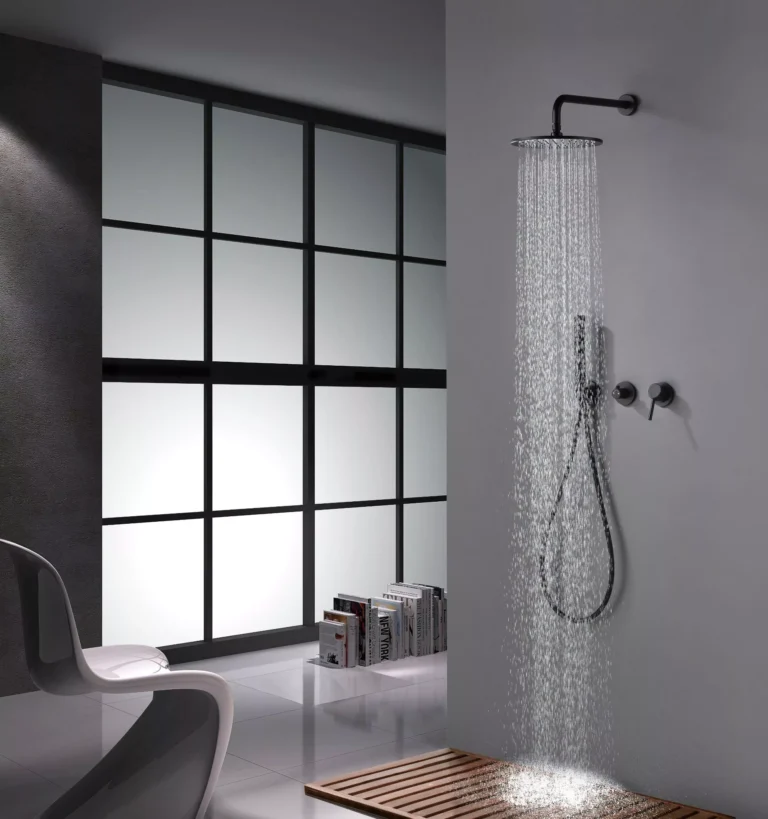
The faucet in the shower is one of the most important fixtures in any bathroom. It controls water flow, regulates temperature, and affects both comfort and style. Whether you are designing a new bathroom, replacing an old fixture, or choosing products for a renovation project, understanding the right shower faucet can help you make a better decision.
A well-designed faucet in the shower does more than turn water on and off. It improves the user experience, supports safe temperature control, and adds a finished look to the shower space. Today’s shower faucet systems come in many styles, finishes, and functions, from simple single-handle controls to advanced thermostatic shower valves.
This guide explains what a faucet in the shower is, how it works, the most common types, how to choose the right one, and what to consider before installation or replacement.
What Is the Faucet in the Shower?
The faucet in the shower is the control fixture that manages water delivery to the showerhead or other shower outlets. In many bathrooms, this fixture includes the visible trim, handle, valve control, and sometimes a diverter.
People often use several terms for the same product, including:
- Shower faucet
- Shower valve
- Shower control
- Shower handle set
- Shower trim kit
- Shower fixture
Although these words are sometimes used interchangeably, they do not always mean exactly the same thing. The shower faucet usually refers to the visible control system, while the shower valve is the internal mechanism that mixes hot and cold water and sends it to the showerhead.
Why the Shower Faucet Matters
The faucet in the shower directly affects both performance and appearance. A high-quality shower faucet can improve water control, increase comfort, and help reduce maintenance problems over time.
A good shower faucet system helps with:
- Smooth water flow control
- Stable water temperature
- Better user safety
- Modern bathroom styling
- Long-term durability
- Easier cleaning and maintenance
For homeowners, designers, contractors, and bathroom fixture suppliers, choosing the right faucet for shower use is essential.
Main Parts of a Faucet in the Shower
To understand how a faucet in the shower works, it helps to know its main parts.
Shower Handle
The handle is the visible control used to turn the water on and off and adjust the temperature. Some shower faucets use one handle, while others use two.
Shower Valve
The shower valve is the hidden internal part installed inside the wall. It blends hot and cold water and controls water direction and pressure.
Trim Kit
The trim kit includes the visible decorative parts such as the escutcheon plate, handle, and sleeve. This is the part people usually see when they look at the faucet in the shower.
Diverter
A diverter moves water between outlets, such as the showerhead, hand shower, and tub spout. Some systems include a built-in diverter, while others use a separate control.
Showerhead Connection
The faucet system connects to the showerhead or additional spray outlets, forming the full shower fixture setup.
Types of Faucet in the Shower
There are several common types of shower faucet systems. Each one offers different functions, appearances, and user benefits.
Single-Handle Shower Faucet
A single-handle shower faucet is one of the most popular options. It uses one lever or knob to control both water temperature and flow.
Benefits include:
- Easy operation
- Clean modern appearance
- Space-saving design
- Simple daily use
This type is common in modern bathrooms and works well for both residential and hospitality projects.
Double-Handle Shower Faucet
A double-handle shower faucet has separate controls for hot and cold water. It creates a more traditional look and allows more manual adjustment.
This style is often chosen for classic or decorative bathroom designs.
Pressure-Balance Shower Faucet
A pressure-balance shower faucet helps maintain a more consistent water temperature when pressure changes occur elsewhere in the house. For example, if someone flushes a toilet or uses another faucet, the shower temperature stays more stable.
This is a popular option for families because it improves safety and comfort.
Thermostatic Shower Faucet
A thermostatic shower faucet gives more precise temperature control. Users can set a desired water temperature, and the system keeps it steady even if pressure changes happen.
Benefits include:
- Better temperature stability
- Improved shower comfort
- More premium shower experience
- Higher safety for children and elderly users
For luxury bathrooms, thermostatic systems are often the preferred faucet in the shower solution.
Shower Faucet With Diverter
A shower faucet with diverter is designed for systems with more than one outlet. It allows users to switch water between the main showerhead, handheld shower, body jets, or tub spout.
This type works well in multifunction shower spaces.
Popular Styles of Shower Faucets
The design of the faucets in the shower can change the entire look of the bathroom. Today’s market offers a wide range of styles for different interior themes.
Modern Shower Faucet
A modern shower faucets usually features clean lines, a minimalist handle, and finishes like matte black, brushed nickel, or chrome. It matches contemporary bathrooms well.
Traditional Shower Faucet
A traditional shower faucets often includes rounded shapes, decorative escutcheons, and classic finishes such as polished chrome or brushed brass.
Luxury Shower Faucet
A luxury shower faucets may include thermostatic control, multiple functions, designer trim, and premium materials. It is often used in upscale residential and hotel bathrooms.
Minimalist Shower Control
A minimalist shower control focuses on simple form, hidden complexity, and a sleek wall-mounted look. It is especially popular in modern bathroom remodeling.
Best Materials for a Faucet in the Shower
Material quality is important for durability, corrosion resistance, and long-term appearance. A shower area is always exposed to water, steam, soap, and temperature changes, so the right material matters.
Common materials include:
Brass Shower Faucet
A brass shower faucets is one of the best choices because brass offers strength, corrosion resistance, and long product life. Many premium shower faucets systems use solid brass construction.
Stainless Steel Shower Fixture
A stainless steel shower fixture is also durable and offers a clean, modern appearance. It performs well in humid environments and is easy to maintain.
Zinc Alloy Components
Some decorative parts may use zinc alloy, especially in more budget-friendly products. These can work well for appearance, but solid brass is usually preferred for core structural parts.
Best Finishes for Shower Faucets
The finish affects style, maintenance, and how well the faucet matches the bathroom.
Popular finishes include:
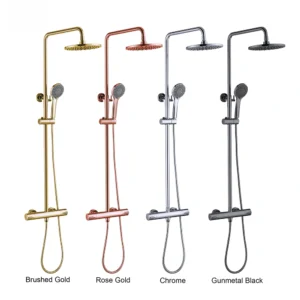
- Chrome shower faucets
- Matte black shower faucets
- Brushed nickel shower faucets
- Brushed gold shower faucets
- Oil-rubbed bronze shower faucets
A chrome shower faucets is easy to match and popular for bright, clean bathroom designs. A matte black shower faucets creates a bold modern look. Brushed nickel offers a softer, warmer appearance with good resistance to fingerprints.
How to Choose the Right Faucet in the Shower
Choosing the right faucets in the shower depends on more than appearance. You also need to consider function, compatibility, installation requirements, and user preferences.
Consider the Shower Configuration
Think about whether the shower has one outlet or multiple outlets. If you want a rain showerhead and a hand shower, you may need a shower faucets with diverter.
Check Valve Compatibility
Not every trim kit fits every valve body. Before buying a shower faucets set, make sure the trim and valve are compatible.
Choose the Right Control Type
If safety and temperature stability matter most, a pressure-balance shower faucets or thermostatic shower valve is a better choice.
Match the Bathroom Style
The faucets in the shower should match the bathroom design. A sleek black fixture works well in a modern room, while a bronze or classic chrome design fits more traditional interiors.
Focus on Durability
Choose strong materials such as solid brass and high-quality ceramic cartridges for better long-term performance.
How to Install a Faucet in the Shower
Installing a faucets in the shower usually involves both rough-in plumbing work and final trim installation. The valve body is installed behind the wall first, then the visible parts are mounted later.
The basic process includes:
- Shut off the water supply
- Remove the old shower faucets if replacing
- Install or inspect the valve body
- Connect hot and cold water lines
- Test for leaks
- Finish the wall surface
- Install the trim kit, handle, and showerhead
- Check water flow and temperature control
For many projects, professional installation is recommended, especially when changing the valve or moving plumbing lines.
Common Problems With Faucet in the Shower
Like any plumbing fixture, the faucets in the shower can develop problems over time.
Leaking Shower Faucets
A leaking shower faucets may result from worn cartridges, seals, or valve components. Even a small leak can waste water and increase utility costs.
Low Water Pressure
Low pressure may be caused by mineral buildup, a blocked showerhead, valve issues, or plumbing restrictions.
Inconsistent Water Temperature
If the shower suddenly becomes too hot or too cold, the problem may be related to the shower valve, pressure changes, or a worn balancing mechanism.
Stiff or Loose Shower Handle
A handle that is hard to turn or too loose may indicate internal wear or cartridge damage.
Dripping Behind the Wall
A hidden leak inside the wall can be more serious and may require immediate repair to prevent water damage.
When to Replace the Faucet in the Shower
You may need to replace the faucetS in the shower if:
- It leaks repeatedly
- The finish is badly damaged
- The handle no longer works smoothly
- The valve is outdated
- The shower design is being upgraded
- Water temperature control is unreliable
Replacing an old shower faucetS can improve appearance, comfort, and water control at the same time.
Faucet in the Shower for Bathroom Remodeling
During a bathroom remodel, the faucetS in the shower often becomes a key design detail. It must match the showerhead, drain finish, tub hardware, and overall bathroom style.
A well-chosen shower faucetS set can:
- Upgrade the bathroom appearance
- Improve property value
- Create a more comfortable shower experience
- Support a luxury design theme
- Make daily use easier
For remodeling projects, many buyers choose coordinated collections to create a more consistent visual effect.
Best Applications for Different Shower Faucet Types
Different shower spaces may need different faucets solutions.
For Family Bathrooms
A pressure-balance shower faucets is a strong choice because it improves safety and helps prevent sudden temperature changes.
For Luxury Master Bathrooms
A thermostatic shower faucets with multiple functions is ideal for a premium shower experience.
For Small Bathrooms
A compact single-handle shower faucets works well because it saves space and keeps the design simple.
For Hotels and High-End Projects
A durable brass shower fixture with an elegant finish and stable temperature control is usually the preferred option.
FAQ About Faucet in the Shower
What is the faucets in the shower called?
It is commonly called a shower faucets, shower valve trim, or shower control, depending on the product and configuration.
Is the shower faucets the same as the shower valve?
Not exactly. The shower faucets often refers to the visible control parts, while the shower valve is the hidden internal mechanism behind the wall.
What is the best material for a shower faucets?
Solid brass is one of the best materials because it is durable, corrosion-resistant, and suitable for long-term bathroom use.
Which is better, pressure-balance or thermostatic shower faucets?
A pressure-balance shower faucets is practical and safe for many homes, while a thermostatic shower faucets offers more precise temperature control and a more premium experience.
How long does a shower faucets last?
A high-quality faucets in the shower can last many years, especially when made from solid brass and maintained properly.
Conclusion
The faucets in the shower is more than a simple bathroom control. It plays a major role in comfort, safety, performance, and design. From basic single-handle systems to advanced thermostatic shower controls, the right shower faucets can improve both everyday use and the overall value of the bathroom.
When choosing a faucets for shower use, focus on material quality, valve type, finish, compatibility, and the needs of the space. A well-made shower faucets not only looks better but also delivers smoother control, better temperature stability, and longer-lasting performance.
 B2B Inquiry CTA
 For export quotations, bulk orders, or project cooperation, Get in Touch with our sales team.
Email: info@landonbath.com
WhatsApp: +86-13750308364