
Bathtub Faucet Replacement Is One Of The Most Practical Bathroom Upgrades For Improving Both Function And Appearance. An Old Tub Faucet Can Develop Leaks, corrosion, loose handles, poor water flow, or an outdated style that affects the overall look of the bathroom. Replacing it with a new fixture can refresh the tub area, improve water control, and make daily use more comfortable.
Whether You Are Updating A Worn Out Fixture Or Renovating The Entire Bathroom, Bathtub Faucet Replacement Can Make A Big Difference. A New Tub Faucet Can Improve Water Efficiency, enhance the design of the space, and provide smoother operation. For many homeowners, replacing a bathtub faucet is an effective way to modernize the bathroom without replacing the whole tub.
What Is Bathtub Faucet Replacement?
Bathtub Faucet Replacement Means Removing An Existing Tub Faucet And Installing A New One In Its Place. This may involve replacing only the tub spout, or it may include the full faucet set with handles, valve trim, diverter, and hand shower depending on the bathtub design and plumbing setup.
The replacement process depends on the type of bathtub faucet already installed. Some bathtubs use wall mount tub spouts, while others use deck mount or roman tub faucet systems. Understanding the installation type is important before starting the replacement.
Why Bathtub Faucet Replacement Is Important
A damaged or outdated bathtub Faucet can create several problems. Leaks can waste water and increase utility costs. Corrosion and mineral buildup can affect appearance and water flow. Loose handles or worn cartridges can make temperature control more difficult.
That is why Bathtub Faucet Replacement is often necessary for both practical and cosmetic reasons. A new bathtub faucet can improve performance, reduce maintenance issues, and give the tub area a cleaner and more modern appearance.
Signs You Need Bathtub Faucet Replacement
There are several common signs that it may be time for Bathtub Faucet Replacement.
A leaking tub spout is one of the most obvious signs. If water continues to drip after the faucet is turned off, internal wear may be the cause. Low water flow, rust, visible finish damage, and hard to turn handles are also common problems.
Some homeowners also replace a bathtub faucet simply because the current style no longer matches the bathroom design. In remodeling projects, faucet replacement is often part of updating the full tub and shower area.
Types Of Bathtub Faucets
Before starting Bathtub Faucet Replacement, it helps to understand the main bathtub faucet types.
A wall mount bathtub faucet is installed through the wall above the tub. This is very common in standard tub and shower combinations.
A deck mount bathtub faucet is installed on the tub deck or surrounding platform. This is common in built in tubs and roman tub designs.
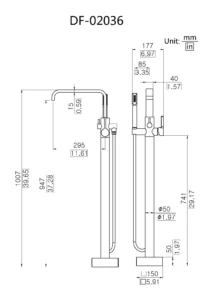
A freestanding bathtub faucet is installed on the floor beside a freestanding tub. These faucets are often used in luxury bathrooms.
A roman tub faucet usually includes a wide spout and separate handles mounted on the deck. Some models also include a hand shower.
The replacement method depends on which faucet style is already installed.
How To Prepare For Bathtub Faucet Replacement
Preparation is very important for a smooth Bathtub Faucet Replacement project. First, identify the type of faucet and the mounting style. Then make sure the replacement faucet matches the plumbing configuration, hole spacing, and installation requirements.
It is also important to turn off the water supply before removing any parts. The work area should be clean and dry, and the necessary tools should be ready. Common tools may include adjustable wrenches, screwdrivers, plumber’s tape, pliers, and sealant depending on the faucet type.
Choosing a compatible replacement faucet in advance helps avoid installation problems later.
Replacing A Bathtub Faucet Spout
In many bathrooms, Bathtub Faucet Replacement only means replacing the tub spout. This is often the simplest type of bathtub faucet repair or upgrade.
Some tub spouts are threaded and screw onto a pipe nipple. Others use a slip fit connection secured by a set screw. The old spout must be removed carefully to avoid damaging the pipe or wall finish.
After removal, the new spout is installed according to its connection type. A proper fit is important to prevent leaks and ensure stable operation. If the bathtub faucet includes a diverter for a shower, the replacement spout should also match that function.
Replacing Handles And Trim
Some Bathtub Faucet Replacement projects include replacing the handles, escutcheon plates, and visible trim pieces. This is common when the tub faucet looks worn or when the bathroom is being updated to a new style.
Replacing trim can improve the appearance of the tub area without changing the entire plumbing valve behind the wall. However, the new trim must be compatible with the existing valve body. If compatibility is not correct, the parts may not fit or function properly.
This is why many homeowners choose bathtub faucet replacement kits designed for specific valve systems or complete matching collections.
Replacing The Full Bathtub Faucet System
A full Bathtub Faucet Replacement may include the spout, handles, valve trim, diverter, and sometimes the mixing valve inside the wall. This is usually needed when the old system is severely worn, leaking internally, or no longer suitable for the bathroom renovation.
This type of replacement is more complex than changing a spout or trim only. It may require opening the wall, adjusting plumbing connections, and installing a new valve body. In larger bathroom remodels, full bathtub faucet replacement helps ensure long term performance and design consistency.
Common Challenges In Bathtub Faucet Replacement
Although some bathtub faucet replacement projects are simple, others can be more difficult. Corroded fittings, hidden leaks, damaged pipes, and incompatible replacement parts are some of the most common problems.
Older bathrooms may also have plumbing systems that do not match modern faucet standards. In these cases, extra fittings or adjustments may be needed. If the wall opening is too small or the pipe condition is poor, the work can become more complicated.
Careful planning helps reduce these challenges and makes the replacement process smoother.
Choosing The Right Replacement Faucet
Choosing the right product is a key part of Bathtub Faucet Replacement. The new faucet should match the installation type, plumbing layout, and overall bathroom design.
Material quality is important. Solid brass construction is often preferred for long term durability. Finish selection also matters because the faucet should coordinate with other bathroom fixtures such as the shower set, sink faucet, towel bars, and hardware.
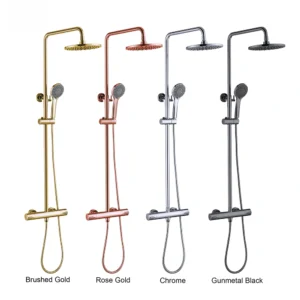
Popular finishes include chrome, brushed nickel, matte black, brushed gold, and oil rubbed bronze. In addition to style, buyers should also consider flow performance, handle operation, and whether a diverter or hand shower is needed.
Benefits Of Bathtub Faucet Replacement
There are many benefits to Bathtub Faucets Replacement. A new faucet can improve water flow, reduce dripping, and provide better temperature control. It can also update the appearance of the tub area and make the bathroom feel more modern and more complete.
Another major benefit is better reliability. Old bathtub faucets may have hidden wear inside the spout, valve, or handles. Replacing them helps reduce the risk of future leaks and repair costs.
For homeowners planning a bathroom refresh, bathtub faucet replacement is one of the most visible and useful upgrades.
Bathtub Faucet Replacement And Bathroom Remodeling
Bathtub Faucets Replacement Is Often Included In Bathroom Remodeling Projects. When replacing tile, updating the tub surround, or installing a new bathtub, it makes sense to replace the faucet at the same time.
A new faucet helps the finished bathroom look more coordinated and more polished. It also ensures that the visible hardware matches the new style of the room. In many cases, replacing the bathtub faucet is a small change that creates a big design improvement.
Maintenance After Replacement
After Bathtub Faucets Replacement, regular maintenance helps keep the new fixture in good condition. The faucet should be cleaned gently to protect the finish. Hard water deposits should be removed before buildup becomes severe. Handles, diverters, and spouts should also be checked occasionally to make sure everything stays tight and functions properly.
Good maintenance extends the life of the faucet and helps keep the bathtub area looking clean and well cared for.
Conclusion
Bathtub Faucets Replacement Is A Smart Upgrade For Improving Both Bathroom Function And Bathroom Style. Whether You Are Replacing A Leaking Tub Spout, updating worn handles, or installing a completely new bathtub faucet system, the right replacement can improve water control, reduce maintenance issues, and refresh the look of the tub area.
From simple spout changes to full fixture upgrades, Bathtub Faucets Replacement remains one of the most practical ways to improve a bathtub without replacing the entire bathroom. With the right faucet style, good material quality, and proper installation, this upgrade can bring long lasting value to the home.