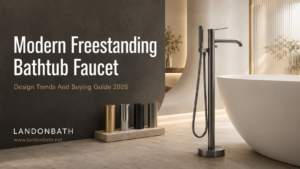
Installing A Freestanding Tub Faucet On A Concrete Slab Requires Careful Planning, Accurate Measurements, And The Right Floor Plumbing Preparation. A Well-Installed Freestanding Tub Faucet Does More Than Supply Water. It Also Completes The Look Of A Luxury Bathroom, Supports Daily Comfort, And Adds Strong Visual Appeal To A Freestanding Tub And Faucet Setup. Whether You Are Working On A New Bathroom Project Or Upgrading Existing Bathtub Faucets, Understanding The Correct Installation Process Can Help You Achieve Better Performance, Better Stability, And A Cleaner Final Finish.
Why Concrete Slab Installation Needs Special Attention
A Freestanding Bathtub Faucet Installed On A Concrete Slab Is Different From A Standard Floor Installation Over Wood Framing. Because The Plumbing Runs Through Solid Concrete, The Water Supply Lines Must Be Positioned Correctly Before The Slab Is Finished, Or The Floor Must Be Carefully Opened During Renovation. This Makes Planning More Important For Bathtub Fixtures, Bath Tub Fixtures, And Other Floor-Mounted Bathroom Hardware.
A Poor Layout Can Cause Alignment Problems, Limited Faucet Reach, Or Difficult Repairs Later. A Good Layout Helps The Freestanding Tub Faucet Sit Securely Beside The Tub While Keeping The Whole Bathroom Looking Balanced And Professional.
Tools And Materials You May Need
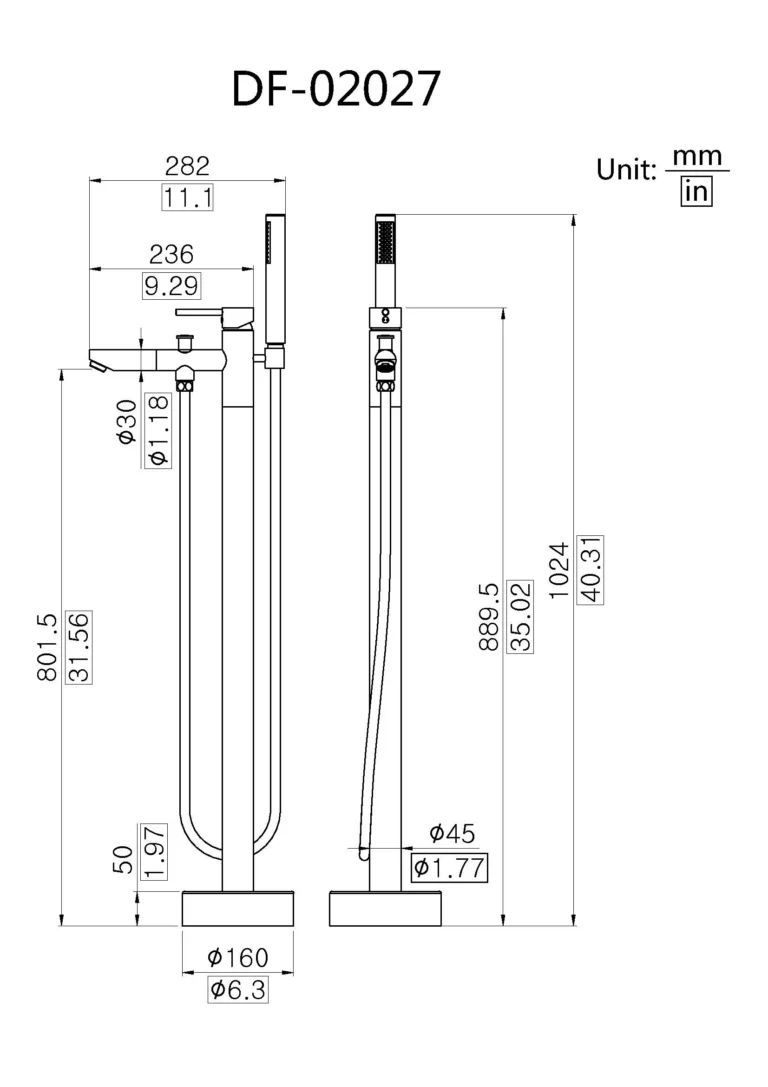
Before Installing A Freestanding Tub Faucet, Prepare The Tools And Materials In Advance. Most Projects Need A Drill, Wrench Set, Level, Measuring Tape, Pipe Fittings, Anchors, Mounting Hardware, Sealant, And The Correct Rough-In Parts For The Faucet Model. Some Installations Also Need A Core Drill, Protective Sleeve, Or Floor Box Designed For A Floor Mount Tub Filler.
If You Are Installing A Freestanding Tub And Faucet In A New Build, Make Sure The Plumbing Layout Matches The Faucet Manufacturer’s Rough-In Guide Exactly.
Plan The Faucet Position Carefully
The First Step Is Choosing The Correct Position For The Freestanding Tub Faucet. The Faucet Should Be Close Enough To The Tub For Good Water Delivery But Far Enough Away To Avoid Crowding The Rim. In Most Bathrooms, The Faucet Is Installed Beside The Tub Where It Looks Balanced And Allows Easy Access.
When Positioning The Faucet, Consider The Spout Reach, Handle Clearance, And Hand Shower Hose Movement If The Model Includes One. This Is Especially Important For A Freestanding Bathtub Faucet, A Tub Filler Faucet, Or A Floor Mounted Bathtub Faucet With A Taller Body And Longer Spout.
Check The Plumbing Before Drilling Or Mounting
A Concrete Slab Installation Depends On Correct Water Supply Placement. Before You Mount The Freestanding Tub Faucet, Confirm The Hot And Cold Water Lines Are In The Right Location, At The Right Height, And Properly Spaced For The Faucet Base. If The Rough-In Is Off, The Faucet May Not Sit Straight Or Connect Securely.
For Renovation Projects, It Is Important To Locate Existing Pipes Carefully Before Cutting Into The Slab. Accurate Plumbing Alignment Helps Protect Expensive Bathtub Fixtures And Reduces The Risk Of Future Leaks.
Prepare The Concrete Slab Surface
The Concrete Surface Must Be Clean, Level, And Strong Enough To Support The Faucet Base. Dust, Debris, Or Uneven Surface Conditions Can Affect Stability. If The Faucet Uses Anchors Or Mounting Bolts, Mark The Hole Positions Carefully And Drill Into The Slab According To The Manufacturer’s Template.
A Stable Base Is Essential For Any Freestanding Tub Faucet, Freestanding Bath Faucet, Or Floor Mount Tub Filler For Freestanding Tub Because Movement At The Base Can Affect Water Connections And Long-Term Reliability.
Install The Rough-In And Water Connections
Once The Slab Is Prepared, Install The Rough-In Parts And Connect The Hot And Cold Water Lines. Follow The Manufacturer’s Instructions Closely, Because Different Bathtub Faucets Use Different Base Structures And Connection Systems. Tighten All Fittings Correctly And Check That The Rough-In Is Level Before Securing It Fully.
This Stage Is One Of The Most Important Parts Of Installing A Freestanding Tub Faucet On Concrete Slab. A Precise Rough-In Helps The Visible Faucet Body Fit Properly And Keeps The Whole Freestanding Tub And Faucet Design Looking Clean.
Secure The Faucet Body
After The Rough-In Is Installed, Mount The Faucet Body Onto The Base. Make Sure The Freestanding Tub Faucet Stands Straight And Feels Solid. Tighten The Mounting Hardware Evenly And Check Alignment From Multiple Angles.
Many Premium Freestanding Bathtub Faucet Designs Include A Hand Shower, Decorative Base, Or Tall Spout. These Features Can Improve Function And Style, But They Also Make Secure Installation Even More Important.
Test Water Flow And Check For Leaks
After Installation, Turn On The Water Supply Slowly And Test The Freestanding Tub Faucet Carefully. Check The Hot And Cold Water Flow, Spout Reach, Handle Operation, And Hand Shower Function If Included. Inspect All Connections For Leaks At The Base And Under The Floor Access Point If Available.
A Properly Installed Tub Filler Faucet Should Deliver Smooth Water Flow, Stable Temperature Control, And Strong Everyday Performance. This Is Especially Important In Luxury Bathrooms Where The Freestanding Tub And Faucet Often Acts As A Design Centerpiece.
Best Faucet Types For Concrete Slab Installation
Many Buyers Compare Different Bathtub Faucets Before Choosing The Right One For A Concrete Slab Project. A Freestanding Tub Faucet Is Often The Best Choice For Open Bathroom Layouts And Freestanding Tubs. A Freestanding Bathtub Faucet With Hand Shower Adds More Flexibility For Cleaning And Rinsing. Some Buyers Also Consider A Floor Mount Tub Filler, Freestanding Tub Filler, Or Floor Mounted Bathtub Faucet When Looking For Similar Styles.
The Best Model Depends On The Tub Size, Bathroom Layout, Plumbing Position, And Overall Design Of The Bath Tub Fixtures In The Room.
Common Mistakes To Avoid
When Installing A Freestanding Tub Faucet On Concrete Slab, Avoid Incorrect Rough-In Placement, Weak Anchoring, Poor Leveling, And Inadequate Leak Testing. Do Not Assume All Bathtub Fixtures Use The Same Base Dimensions Or Water Supply Spacing. Even A Small Alignment Error Can Affect The Final Appearance And Performance.
It Is Also Important To Match The Faucet Height And Spout Reach To The Tub. A Faucet That Is Too Short Or Too Far From The Tub Can Reduce Comfort And Make The Installation Look Unbalanced.
How To Match The Faucet With Other Bathroom Fixtures
A Freestanding Tub Faucet Should Match The Overall Bathroom Style. It Should Also Coordinate With Other Bathtub Fixtures, Sink Faucets, Shower Hardware, And Decorative Finishes. Popular Options Include Matte Black, Brushed Nickel, Chrome, And Brushed Gold. Many Modern Buyers Prefer A Minimalist Freestanding Bathtub Faucets, While More Traditional Bathrooms May Use A More Decorative Tub Filler Design.
When The Freestanding Tub And Faucets Matsch The Rest Of The Space, The Bathroom Feels More Complete, More Elegant, And More Professionally Designed.
Conclusion
Installing A Freestanding Tub Faucets On Concrete Slab Requires Accurate Planning, Proper Rough-In Work, And Secure Mounting. When Done Correctly, A Freestanding Tub Faucets Creates A Strong Visual Statement And Delivers Reliable Performance For Daily Use. Whether You Are Selecting A Freestanding Bathtub Faucet, Comparing Bathtub Faucets, Or Building A Full Freestanding Tub And Faucet Layout, the key is to match the faucet to the slab preparation, plumbing position, and overall bathroom design. A well-installed faucet can improve function, strengthen the look of your Bath Tub Fixtures, and add long-term value to your bathroom.
 B2B Inquiry CTA
 For export quotations, bulk orders, or project cooperation, Get in Touch with our sales team.
Email: info@landonbath.com
WhatsApp: +86-13750308364