
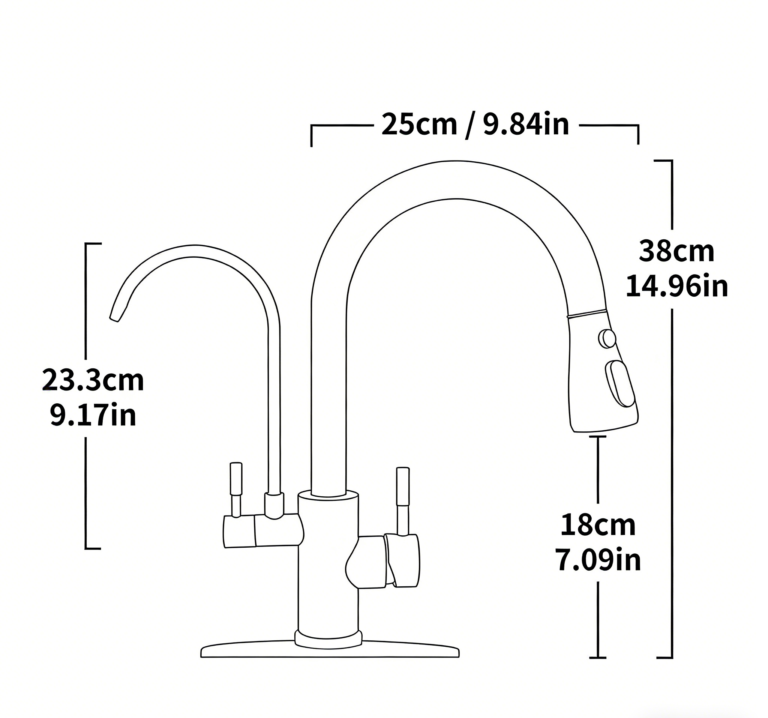
Changing a kitchen faucet is one of the most practical ways to upgrade your kitchen without a full remodel. An old faucet can leak, lose water pressure, develop rust, or simply look outdated. Learning how to change a kitchen faucet can help improve daily use, refresh the sink area, and prevent long-term plumbing problems.
In many homes, the kitchen faucet is used more than almost any other fixture. Over time, normal wear can affect water flow, handle control, and overall appearance. A new kitchen faucet replacement can improve both function and style while making the sink easier to use and clean.
This guide explains how to change a kitchen faucet, what tools you need, how to remove the old faucet, and how to install a new one correctly.
Why You May Need To Change A Kitchen Faucet
There are several common reasons to replace a kitchen faucet. In some cases, the faucet starts leaking around the spout or base. In other cases, the finish becomes scratched or corroded, or the handle no longer moves smoothly. Many homeowners also replace a faucet when updating the kitchen design.
Common reasons to change a kitchen faucet include:
- Water leaks
- Low water pressure
- Rust or corrosion
- Worn internal parts
- Loose handles
- Outdated style
- Poor sink compatibility
- Difficult daily operation
A new kitchen sink faucet can improve appearance, water control, and overall kitchen convenience.
Types Of Kitchen Faucets
Before starting a kitchen faucet replacement, it is important to know what type of faucet you have and what type you want to install.
Single-Handle Kitchen Faucet
A single-handle kitchen faucet uses one lever to control both water temperature and flow. It is popular for modern kitchens because it is simple and easy to use.
Double-Handle Kitchen Faucet
A double-handle kitchen faucet has separate hot and cold water handles. This style is common in more traditional kitchen designs.
Pull-Down Kitchen Faucet
A pull-down kitchen faucet has a spray head that pulls downward into the sink. It is useful for washing dishes and cleaning the sink area.
Pull-Out Kitchen Faucet
A pull-out kitchen faucet has a spray head that pulls outward. It works well in kitchens with limited space above the sink.
Touchless Kitchen Faucet
A touchless kitchen faucet uses a sensor for hands-free operation. It is often chosen for convenience and hygiene.
Understanding your faucet type helps you choose the right replacement kitchen faucet and installation method.
Tools Needed To Change A Kitchen Faucet
Before you begin, gather the tools and materials needed for the job. The exact tools may vary depending on the sink and faucet design, but most installations require the following:
- Adjustable wrench
- Basin wrench
- Screwdriver
- Pliers
- Bucket
- Towel or cloth
- Plumber’s tape
- Putty knife
- Cleaning cloth
- New kitchen faucet
- New supply lines if needed
Having the right tools ready makes the kitchen faucet installation process much easier.
How To Change A Kitchen Faucet Step By Step
If you want to know how to change a kitchen faucet, the process usually starts with shutting off the water and removing the old fixture carefully.
Step 1: Turn Off The Water Supply
Before removing the old faucet, turn off both the hot and cold water supply valves under the sink. This is the most important first step in any replace kitchen faucet project.
After turning off the valves, open the faucet to release any remaining water pressure.
Step 2: Clear The Area Under The Sink
Remove any cleaning supplies, storage items, or containers from the cabinet under the sink. Place a bucket or towel underneath the plumbing connections to catch any remaining water.
A clean work area makes it easier to see and reach the faucet connections.
Step 3: Disconnect The Water Supply Lines
Use an adjustable wrench to disconnect the hot and cold supply lines from the faucet tailpieces. Some water may drip out, so keep the bucket in place.
If the supply lines are old, worn, or corroded, replacing them during the kitchen faucet replacement is usually a good idea.
Step 4: Remove The Faucet Mounting Nuts
Most kitchen faucets are secured to the sink with mounting nuts underneath. Use a basin wrench or suitable tool to loosen and remove these nuts.
This step can be the most difficult part of how to change a kitchen faucet, especially if the space under the sink is tight or the old hardware is corroded.
Step 5: Remove The Old Kitchen Faucet
Once the mounting nuts are removed, lift the old faucet out from above the sink. If the faucet is stuck because of old sealant or dirt, loosen it gently without damaging the sink surface.
After removal, clean the sink area thoroughly. Remove old putty, dirt, and mineral buildup so the new faucet can sit flat and seal properly.
Step 6: Check The Sink Holes And Faucet Fit
Before installing the new faucet, confirm that it matches the sink hole configuration. Some sinks have one hole, while others have two, three, or four holes.
Make sure the new kitchen sink faucet fits the existing sink opening and includes the correct deck plate if needed.
Step 7: Install The New Kitchen Faucet
Place the new faucet into the sink opening according to the manufacturer’s design. If the faucet uses a gasket or seal, position it correctly before setting the faucet in place.
From underneath the sink, install and tighten the mounting hardware. Make sure the faucet is straight and centered before fully tightening it.
A secure installation is an important part of how to replace a kitchen faucet successfully.
Step 8: Connect The Water Supply Lines
Attach the hot and cold supply lines to the new faucet. Tighten the connections carefully, but do not overtighten. If plumber’s tape is recommended for the fitting type, apply it properly.
If your new faucet includes a pull-down or pull-out sprayer, connect the hose and weight according to the faucet design.
Step 9: Turn The Water Back On
Slowly turn the water supply valves back on under the sink. Then test the faucet by running both hot and cold water.
Check for:
- Leaks at the supply line connections
- Leaks under the faucet base
- Smooth handle movement
- Proper spray function
- Stable water flow
If everything works correctly, the kitchen faucet replacement is complete.
Common Problems When Changing A Kitchen Faucet
During a replace kitchen faucet project, a few common problems may appear.
Stuck Mounting Nuts
Old mounting nuts can be difficult to remove because of rust, mineral buildup, or limited access under the sink.
Tight Working Space
Many kitchen sink cabinets provide very little room to work. A basin wrench often helps in these situations.
Leaking Connections
Leaks may happen if the supply lines are not tightened correctly or if old washers and fittings are reused.
Wrong Faucet Size
Not all faucets fit every sink. Always check the number of sink holes, faucet dimensions, and mounting style before installation.
Corroded Shutoff Valves
If the shutoff valves under the sink are old or damaged, they may also need replacement before the new faucet can work properly.
Tips For A Successful Kitchen Faucet Replacement
To get better results when learning how to change a kitchen faucet, follow these practical tips:
- Turn off the water before starting
- Keep a bucket under the sink
- Take a photo of the old setup before removal
- Clean the sink surface before installing the new faucet
- Check sink hole compatibility
- Replace old supply lines if needed
- Tighten fittings carefully
- Test for leaks before finishing
These steps can help make a kitchen faucet change easier and more reliable.
When To Replace Instead Of Repair
Some faucet problems can be repaired with a new cartridge, washer, or aerator. However, in many cases, full replacement is the better long-term solution.
You may want to replace the faucet if:
- The faucet leaks repeatedly
- The finish is badly damaged
- The handle no longer works smoothly
- The faucet style is outdated
- The spout is loose
- Internal parts are worn
- You are upgrading the kitchen design
A full kitchen faucet replacement often improves both performance and appearance more effectively than repeated repairs.
Best Materials For A New Kitchen Faucet
Material quality matters when choosing a new kitchen faucet. Since the faucet is used every day, durability is very important.
Common materials include:
- Solid brass
- Stainless steel
- Zinc alloy for some decorative parts
- Ceramic cartridges for smooth valve control
A high-quality faucet should resist corrosion, provide smooth operation, and last for many years.
How To Choose The Right Replacement Kitchen Faucet
When selecting a new kitchen sink faucet, consider both style and performance.
Important factors include:
- Number of sink holes
- Faucet height and reach
- Pull-down or pull-out design
- Finish color
- Material quality
- Handle type
- Sprayer function
- Compatibility with the sink and countertop
The right faucet should fit the sink correctly and match the overall kitchen design.
FAQ About How To Change A Kitchen Faucet
Is It Hard To Change A Kitchen Faucet?
It can be a manageable project for many homeowners, especially when the plumbing connections are in good condition. The hardest part is often removing the old mounting hardware.
Do I Need A Plumber To Replace A Kitchen Faucet?
Not always. Many people can install a new faucet themselves. However, if the plumbing is damaged or the shutoff valves are old, professional help may be a better option.
How Long Does It Take To Change A Kitchen Faucet?
The time depends on the sink setup, faucet type, and condition of the old hardware. A simple faucet replacement is usually much easier than a major plumbing repair.
Why Is My New Kitchen Faucet Leaking?
Leaks may come from loose supply line connections, incorrect installation, worn fittings, or improper sealing around the faucet base.
Can I Replace A One-Hole Kitchen Faucet With A Three-Hole Faucet?
Yes, but the sink and faucet design must match. In some cases, a deck plate or cover plate is needed.
Conclusion
Learning how to change a kitchen faucet is a useful way to upgrade your kitchen without a major renovation. A new faucet can improve water flow, reduce leaks, refresh the sink area, and make daily kitchen use more comfortable.
A successful kitchen faucet replacement starts with turning off the water, removing the old faucet carefully, cleaning the sink area, and installing the new faucet correctly. With the right tools and the right replacement product, changing a kitchen sink faucet can be a simple and effective improvement for any kitchen.
 B2B Inquiry CTA
 For export quotations, bulk orders, or project cooperation, Get in Touch with our sales team.
Email: info@landonbath.com
WhatsApp: +86-13750308364